
How to Book a Luxury DJ Orchestra with Confidence and Style

Updated: Jul 24
The right entertainment can make an event feel effortless. The wrong choice can turn a beautiful room, a thoughtful guest list, and months of planning into a night that never quite finds its rhythm.
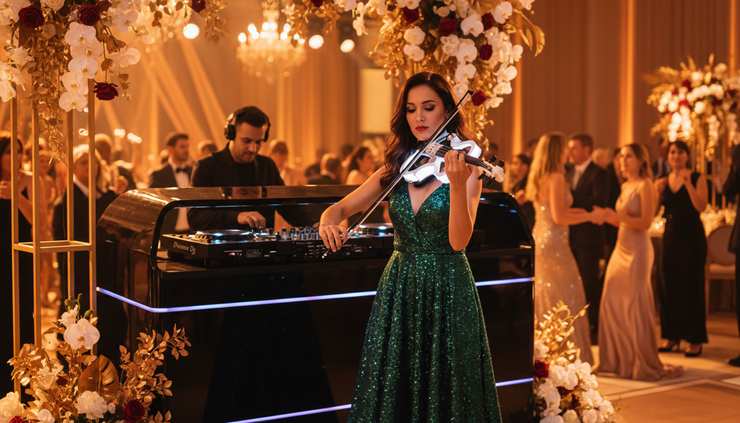
A luxury DJ orchestra sits between two worlds. It brings the polish and impact of live musicians, plus the flexibility and flow of a skilled DJ. That mix can be spectacular for weddings, galas, private parties, charity events, brand celebrations, and milestone birthdays. But because the format is more complex than hiring a solo DJ or a standard band, the booking process deserves extra care.
The goal is not just to find performers who look impressive. It is to find a team that understands timing, taste, sound, staging, guest energy, and the emotional shape of an event. Here is how to book with clarity, confidence, and style.

Know what a DJ orchestra actually includes
Before comparing options, get clear on the format. A DJ orchestra usually blends a professional DJ with live instrumentalists. The lineup can vary widely, which affects sound, price, staging, and guest experience.
Common live elements include:
Electric violin
Saxophone
Percussion
Cello
Trumpet
Vocalists
Keyboard
Guitar
String trio or quartet
Some acts are built around one DJ and one featured musician. Others perform with a full rotating cast of live players. A larger group can create more drama, but it also needs more space, more setup time, and a more detailed production plan.
Ask yourself what role the entertainment should play. Do you want a subtle, stylish background during cocktails? A high-energy dance floor after dinner? A dramatic reveal? A live remix of a meaningful song? Each answer points to a different type of act.
For a formal black-tie gala, you might want elegant strings during arrivals, then sax and percussion during the after-party. For a destination-style wedding weekend, you might choose a DJ-led set with roaming musicians who can move through the room. For a milestone birthday, a vocalist may matter more than a large instrumental lineup.
Clear goals make every later decision easier.
Prioritize experience with high-end events
A strong musician is not always a strong event performer. Luxury events require a different level of awareness. The entertainment team has to read the room, follow a timeline, adjust to speeches and service delays, and work smoothly with planners, venue staff, photographers, and production crews.
Look for experience with events similar to yours in size, formality, and setting. A group that excels in nightclubs may not be right for a seated charity dinner. A wedding-focused act may not know how to support a donor gala or product celebration. A classical crossover group may be stunning during cocktails but less effective for a packed dance floor.
Strong experience shows up in small details. The team knows when to soften the music for conversation. They can build energy without overwhelming dinner service. They understand room acoustics. They arrive with a realistic setup schedule. They know how to handle a quiet crowd, a packed dance floor, or a sudden change in timing.
When reviewing options, look for signs of event fluency:
They ask about the timeline, not just the date.
They discuss sound limits and venue rules early.
They can explain how they transition from live sets to DJ sets.
They have experience with planners and production teams.
They understand guest demographics and music preferences.
A luxury DJ orchestra should feel polished from the first email to the final song.
Study the repertoire and range
Repertoire matters because a mixed audience rarely wants one sound all night. The best acts can move across genres without losing style. They can play current hits, soul, funk, disco, house, Latin, hip-hop, pop, classic rock, jazz standards, and cultural favorites when the event calls for it.
Ask for sample set lists, but do not stop there. A set list only shows what the group has played before. The better question is how they shape music across an event.
For example, a wedding may need:
Ceremony music that feels personal and refined
Cocktail music that creates atmosphere without taking over
Dinner music that supports conversation
First dance and parent dances handled with care
High-energy dance music for a wide range of ages
A final song that feels intentional
A gala might need a different arc. Guest arrival may call for elegant live music. Dinner may need understated tracks. The auction or remarks may require clean cues and fast transitions. The after-party may need a stronger club feel.
Be direct about must-play and do-not-play songs. Also share cultural, family, or regional music needs. If the act says yes to everything too quickly, ask how they will prepare. A confident team will explain what they already know, what they can learn, and what may require a custom arrangement.
Ask better questions during selection
A polished website can make several acts look similar. The selection process is where you learn who can deliver under real event conditions. Use questions that reveal preparation, flexibility, and communication style.
Good questions include:
How many events like this have you performed in the past year?
What is your typical lineup, and can it be customized?
Who will be the actual DJ and musicians at the event?
Do you provide sound equipment, or do we need a production company?
How much space and power do you require?
How long do you need for setup and soundcheck?
Can you coordinate with a planner, venue, or event producer?
How do you handle last-minute timeline changes?
Do you take guest requests?
Can you learn or arrange special songs?
What happens if a performer becomes unavailable?
Are travel, lodging, meals, and overtime included in the quote?
Pay attention to how they answer. You want clear, specific responses. If an act avoids details or gives vague promises, that may show up later as stress. A skilled team will not be offended by detailed questions. They will welcome them because details help them perform well.
Ask who your main contact will be after booking. Some groups have a dedicated booking manager. Others let the bandleader or DJ manage planning. Either can work, but you need one reliable person who owns communication.
Review past performances with a critical eye
Video is one of your best tools, as long as you know what to look for. A highlight reel can show style, but it often includes only the most exciting moments. Ask for full performance clips when available, especially from events similar to yours.
When watching, look beyond the obvious. Yes, the music should sound good. The performers should look comfortable and polished. But deeper signs matter more.
Watch for:
How the group transitions between songs
Whether the live musicians complement the DJ or compete with the track
How the crowd responds at different moments
Whether the sound feels balanced
How the performers use space
Whether the energy fits the setting
How the act handles slower moments, not just peak dance floor clips
Client testimonials also deserve close attention. Look for comments that mention professionalism, preparation, communication, flexibility, and guest response. A review that says “everyone danced all night” is great. A review that says the team adjusted perfectly when dinner ran late may be even more useful.
Ask for references if the event is large, complex, or high profile. A short conversation with a past client or planner can reveal how the team behaves behind the scenes.

Understand pricing before you negotiate
Luxury entertainment pricing can vary because the deliverables vary. A quote may reflect the number of performers, performance length, travel, production needs, rehearsal time, custom arrangements, insurance, equipment, and demand for your date.
Instead of asking only for the lowest possible price, ask what the quote includes. A lower fee may leave out key costs that appear later.
Clarify these items in writing:
Number of performers
Performance start and end times
Total hours on site
Break schedule
Sound equipment
Lighting, if included
Wireless microphones for speeches
Setup and teardown time
Travel fees
Lodging requirements
Meals or vendor meal policy
Overtime rate
Custom song fees
Ceremony or cocktail hour add-ons
Taxes or service charges
Deposit and payment schedule
Once you understand the structure, negotiation becomes much easier. You can adjust the package rather than pressure the team to discount the same service.
For example, if the quote exceeds budget, you might reduce the number of live musicians, shorten performance time, remove lighting from the entertainment package, or use local production supplied by the venue. You could book the full DJ orchestra for the reception but use a smaller live duo for cocktails.
Be honest about budget range early. Good vendors can often suggest smart options when they know the target. What rarely works is hiding the budget, asking for multiple revisions, then revealing that the top package was never realistic.
Read the contract like an event plan
The contract should protect both sides and remove guesswork. It should describe exactly what is being booked, when it happens, what it costs, and what happens if plans change.
Review these sections carefully:
Performance details
The contract should name the event date, location, call time, performance time, lineup, and package. If a specific DJ or musician matters, their name should appear in the agreement.
Payment terms
Look for the deposit amount, due dates, accepted payment methods, late fees, and final balance deadline. Many premium acts require a nonrefundable retainer to secure the date.
Cancellation and postponement
Comments